Dog diet: what actually goes in the bowl
6 April 2026
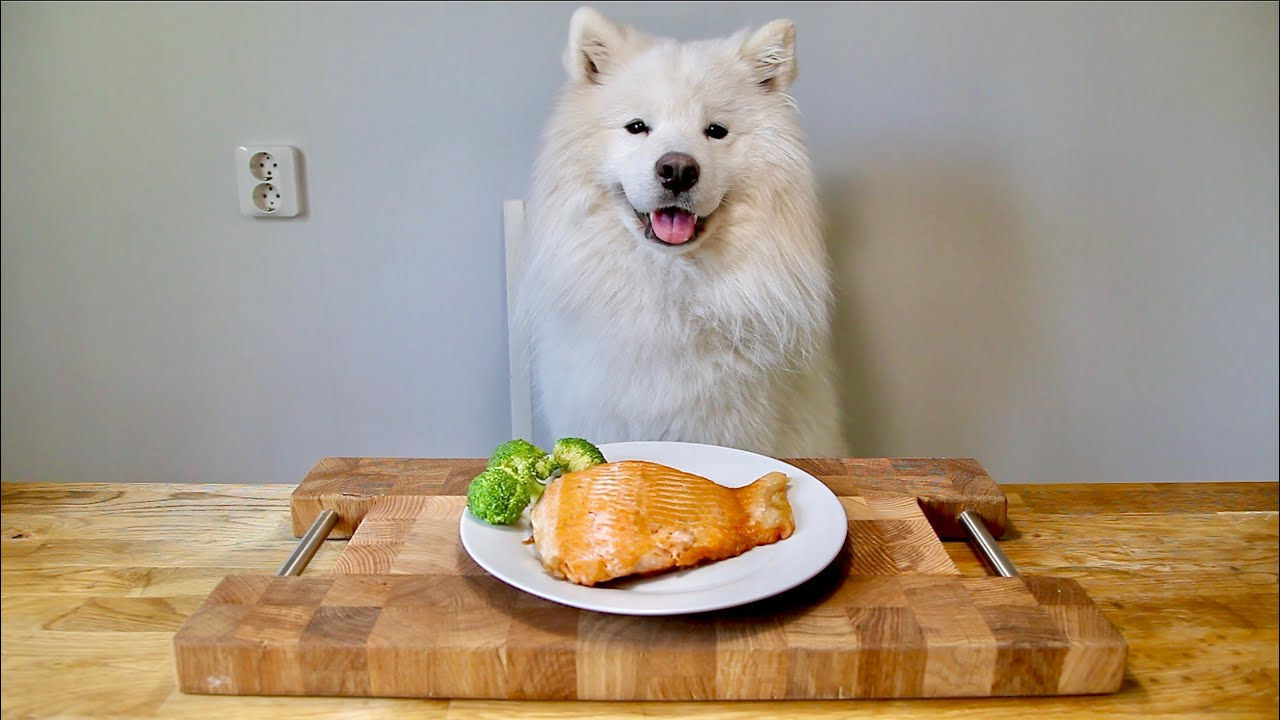
Most dogs in the UAE are fed more than they need and walked less than they should be, and the two combine into the same waistline. The fix is boring and it works: weigh the food, count the treats, and check the ribs once a week.
Start from body weight
Feeding guides on a bag are printed for an average, intact, moderately active dog. A neutered dog that sleeps in air conditioning needs meaningfully less than the number on the label — often twenty per cent less. Start at the guide, then adjust to the animal in front of you rather than the table.
Use a scale, not a scoop
A kitchen scale costs less than one bag of food and removes the single largest source of error. The same plastic cup holds noticeably different amounts of two different kibbles, and a heaped scoop twice a day is how a dog quietly gains three kilograms in a year.
The ribs test
Run your palm along the side of the chest. You should feel the ribs easily under a thin layer, in the way you feel the knuckles on the back of your hand. If you have to press, the dog is carrying too much; if the ribs are sharp and visible from across a room, it is carrying too little.
Treats are food
Training treats, chews and the corner of your sandwich all count. Keep everything outside the bowl under ten per cent of the daily calories, and take that ten per cent off the meal rather than adding it on top. Plain carrot, cucumber and green beans are useful when a dog wants volume rather than nutrition.
Changing food
Move across over seven days, a quarter new on days one and two, half by day four, three-quarters by day six. An abrupt swap causes diarrhoea often enough that owners blame the new food and go back, when the transition was the problem.
Off the menu entirely
Chocolate, grapes and raisins, xylitol in sugar-free products, onion and garlic, cooked bones of any kind. Each of these has a well-documented mechanism for causing harm, and none of them is worth the affection it buys.